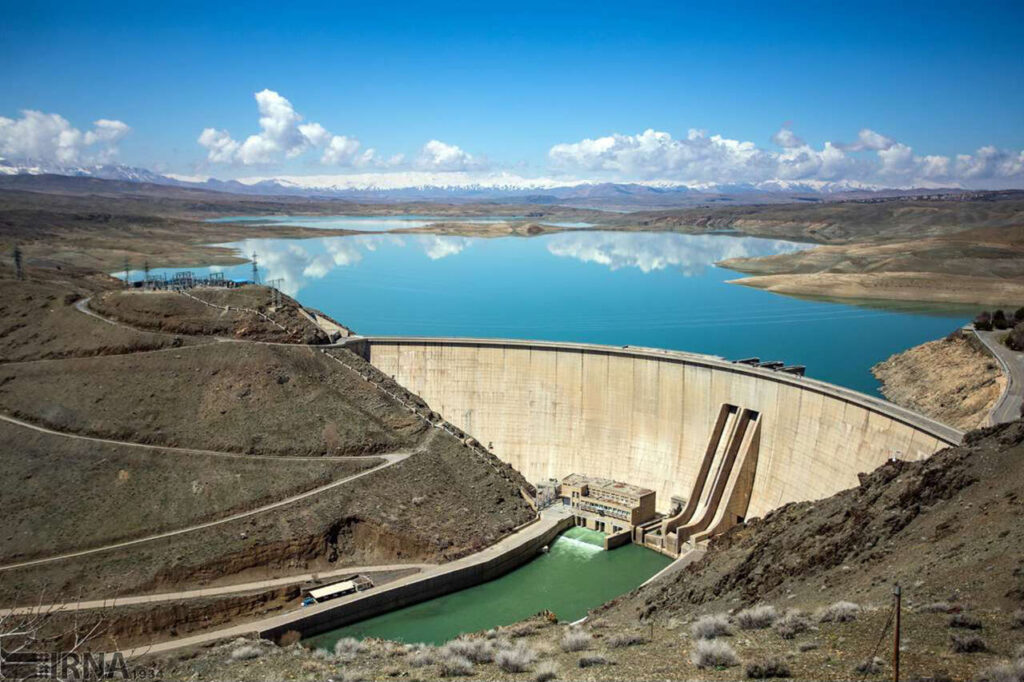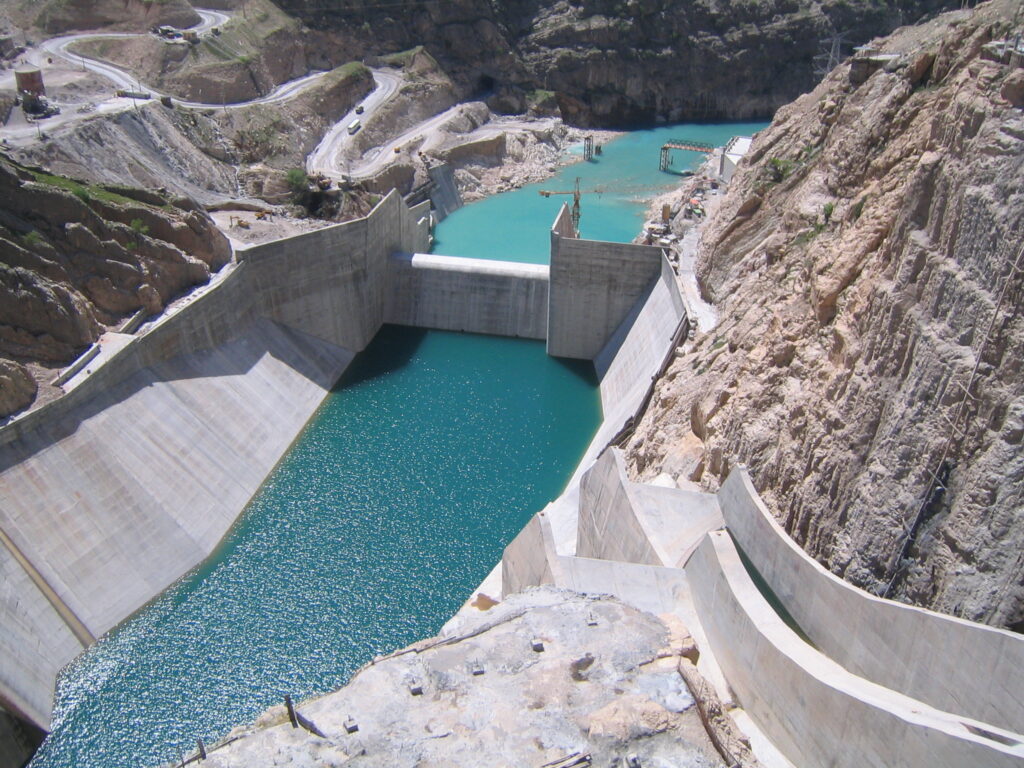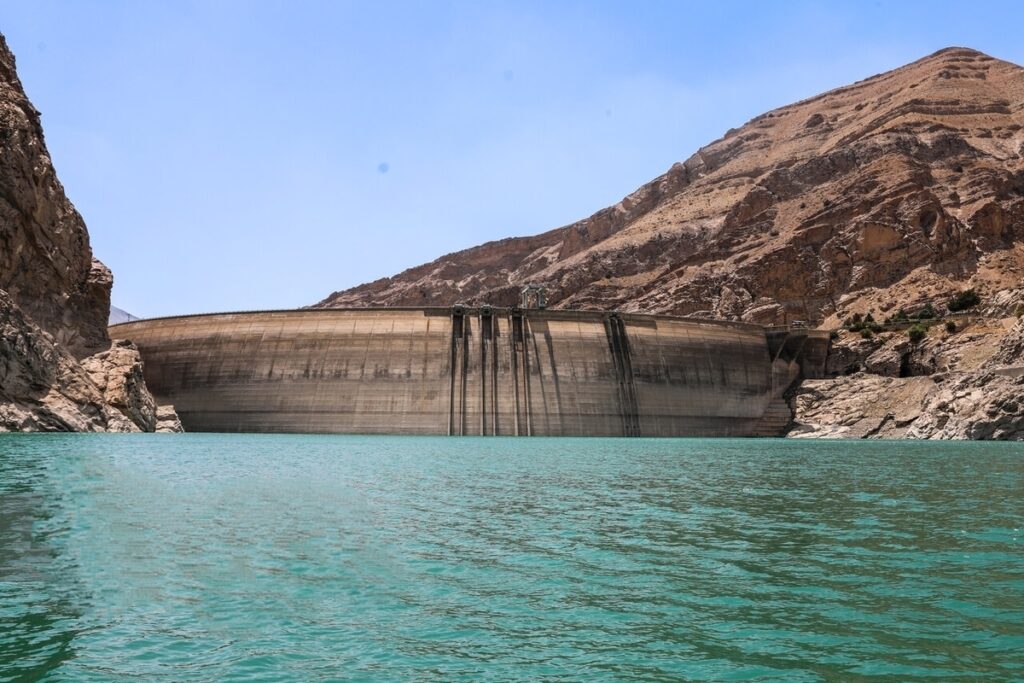
Gavshan Dam, located on the Gaveh River about 40 km south of Sanandaj in Kurdistan Province, is a large rock‑fill embankment dam completed in 2004. Its reservoir holds around 550 million m³ of water, which is used both for irrigating agricultural land in Kurdistan and Kermanshah provinces and supplying drinking water to the city of Kermanshah. A 20 km water-conveyance tunnel transfers water from the reservoir to downstream irrigation zones, while a small hydropower plant with two Francis turbines (total ~11 MW) generates renewable electricity. The dam thus plays a critical role in regional water management and energy production.
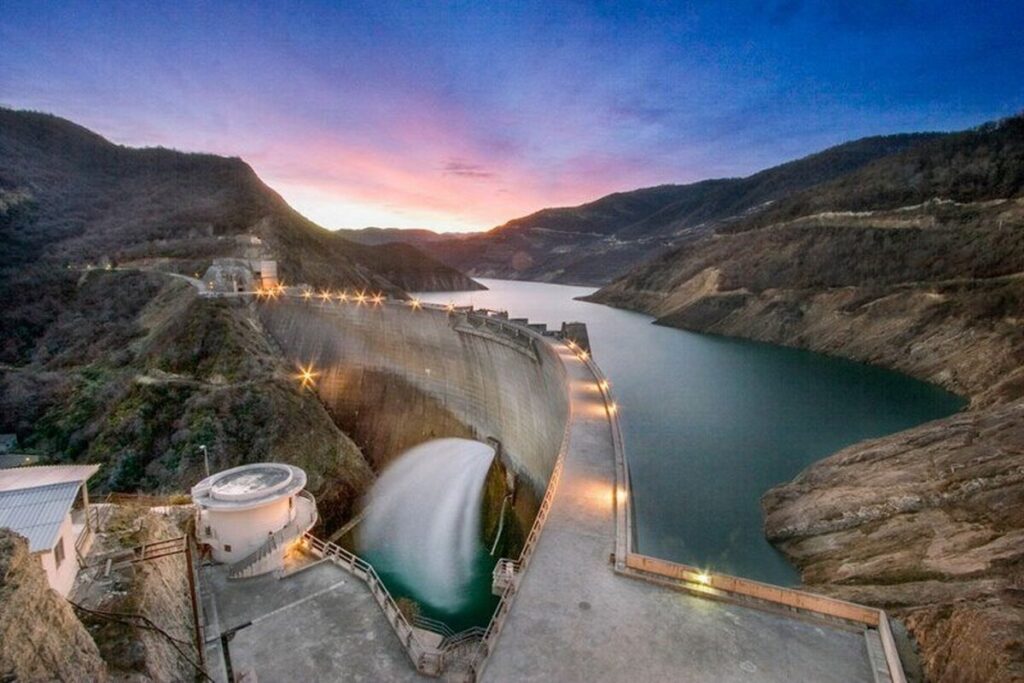
Embankment, rock-fill dam 123 m high.
Total reservoir capacity: ~550 million m³.
Hydropower capacity: ~11 MW via two Francis turbines.
20 km-long water conservancy tunnel for irrigation.
Annual water transfer for irrigation: ~189 million m³.
Provides 63 million m³/year drinking water to Kermanshah.
Iran Water and Power Resources Development Co
Kurdistan Province
Iran
The Challenge
The Gavshan Dam project needed to balance several competing demands: maximizing water storage for irrigation, ensuring reliable water supply for Kermanshah city, and generating hydropower. The region’s hydrology is variable, so the dam had to manage fluctuating river flows and seasonality. Building a high rock-fill embankment structure of 123 m demanded careful geotechnical design to ensure stability and prevent seepage. Integrating the 20 km water‑conveyance tunnel for irrigation added hydraulic complexity, especially with long-distance transfer under varying pressures. Meanwhile, the hydropower installation, though relatively small, required efficient turbine and flow design to remain cost-effective and operational under changing reservoir levels.
What did RMTEC do
We offered full‑spectrum technical support, starting with hydro‑geological and geotechnical assessments to optimize dam design and ensure long-term stability. Our hydraulic engineers designed and modeled the 20 km conveyance tunnel to maintain efficient water transfer while minimizing energy losses. For the hydropower plant, we selected and optimized Francis turbines to match the variable flow regime, ensuring robust electricity production even in non-peak inflow periods. We also worked closely with regional water authorities to develop an integrated operational plan that balances irrigation demands, municipal water needs, and power generation, adapting dynamically according to seasonal water availability.
The Results
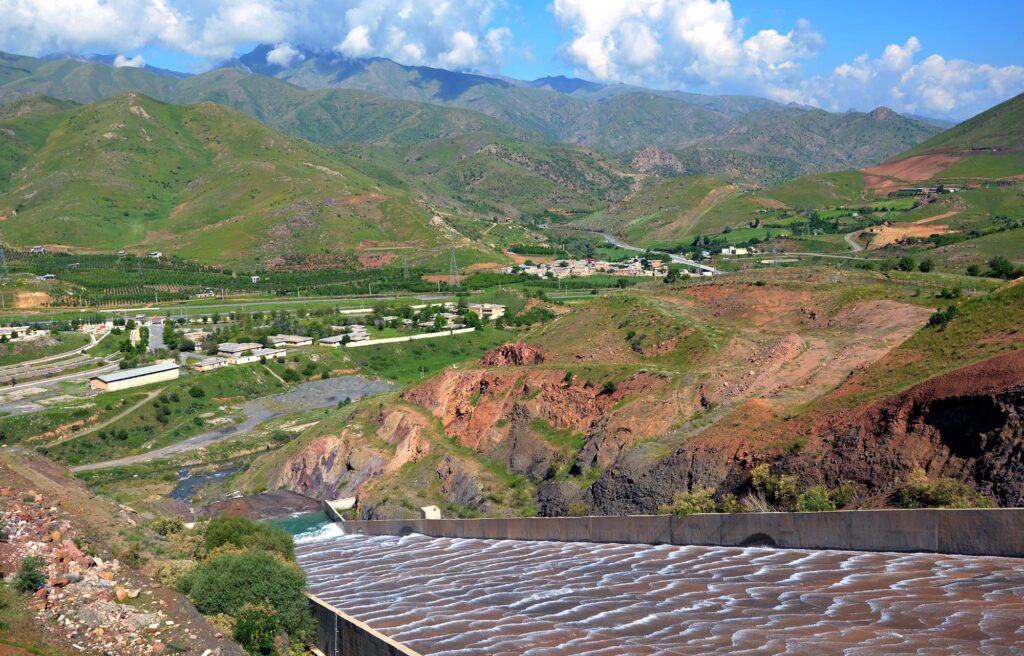
- Enhanced agricultural productivity by reliably irrigating ~310 km² of farmland.
- Provided significant drinking water to Kermanshah city (~63 million m³/year).
- Generated renewable electricity (~11 MW), contributing to the local grid.
- Improved regional water management and resilience through integrated use of reservoir and conveyance infrastructure.