Tehran Metro Line 3 travels from northeast to southwest. Line 3 is one of the most important lines as it connects southwest Tehran to northeast, crosses busy parts of the capital city.
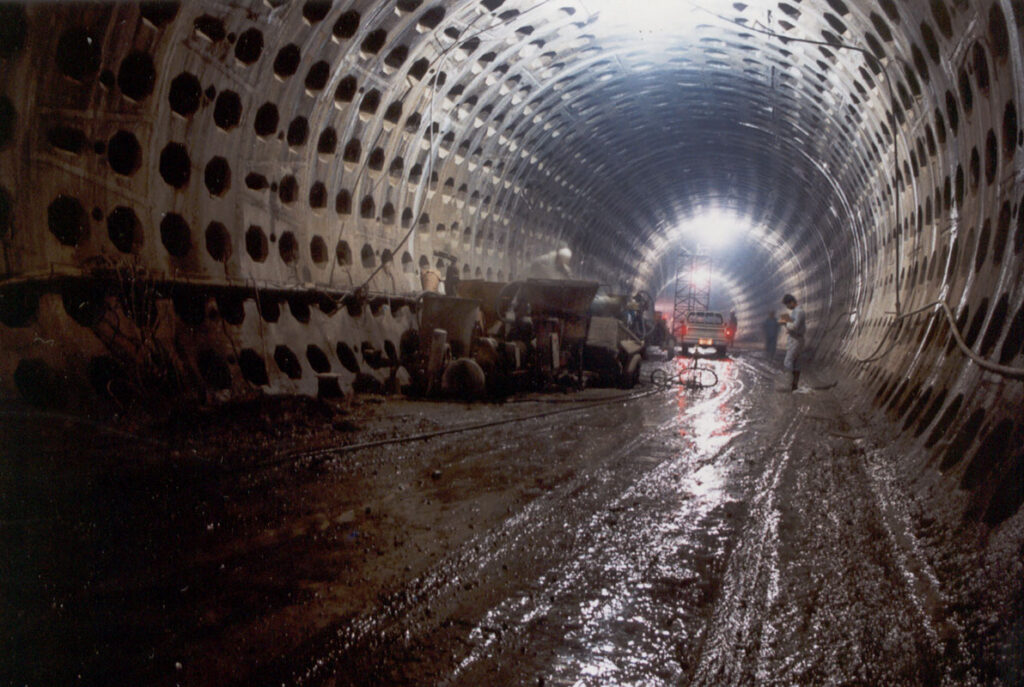
This project includes construction and design of 2 underground stations named Ghalemorghi and Nemat Abad stations, exit shaft, entrance shaft, substation and also construction and design of tunnel with approximate length of 7 km which the tunnel drilled by TBM.
The TBM used in this project is of EPB type with 9.20 m diameter. Thickness of segment pieces are 35 cm and outer diameter is 8.85 m.
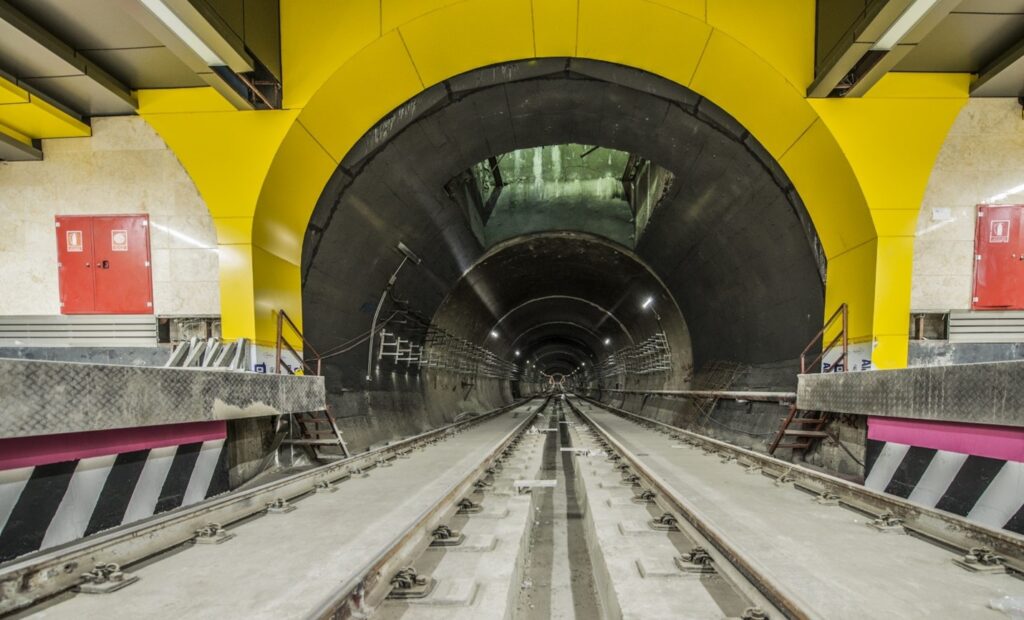
Tehran Metro Line 3: 37 km underground route with 28 stations, connecting Artesh Highway (Ghaem) to Azadegan station.
Intersections & Depots: 4 interchange stations with Lines 1, 4, 6, and 7; depots in the north and south with 6-train capacity.
Construction Highlights: Vali-e-Asr station features a unique waiting hall and diverse excavation methods (mechanized, traditional, open trench).
Technical Specs: Capacity 45,000 PPHPD, 2-minute headway; UIC 54 rails, 1:7 switches (radius 150–190 m), steel-aluminum third rail with 4500 A capacity.
Tehran Urban and Suburban Railways Organization
Tehran,
Iran
The Challenge
The Tehran Metro Line 3 project faced significant urban and geotechnical challenges. Constructing a 33 km underground metro line through densely populated districts required tunneling under existing buildings, utilities, and traffic networks while minimizing surface disruption. The alignment passes through variable soil conditions, including soft alluvial deposits, hard rock zones, and faulted areas, posing risks of settlement, water ingress, and structural instability. Coordination with multiple stakeholders, strict safety regulations, and the need for timely completion in a congested urban environment added to the complexity. Additionally, integrating the line with existing metro lines required precise alignment, station placement, and advanced structural design to accommodate high passenger loads.
What did RMTEC do
RMTEC provided comprehensive geotechnical and structural engineering support throughout the project. Detailed site investigations and soil-structure interaction analyses informed the design of tunnel linings, retaining structures, and deep excavation support. Advanced numerical modeling was used to predict settlement and manage groundwater inflow. RMTEC also advised on construction sequencing, ground stabilization techniques, and monitoring systems to ensure minimal impact on surface structures and existing metro infrastructure. Integration strategies were developed for station design, ventilation, and safety systems to meet operational and regulatory requirements.
The Results
- Safe tunneling through complex urban geology
- Minimal surface settlement and disruption
- Efficient integration with existing metro lines
- Reliable, high-capacity underground transit for Tehran