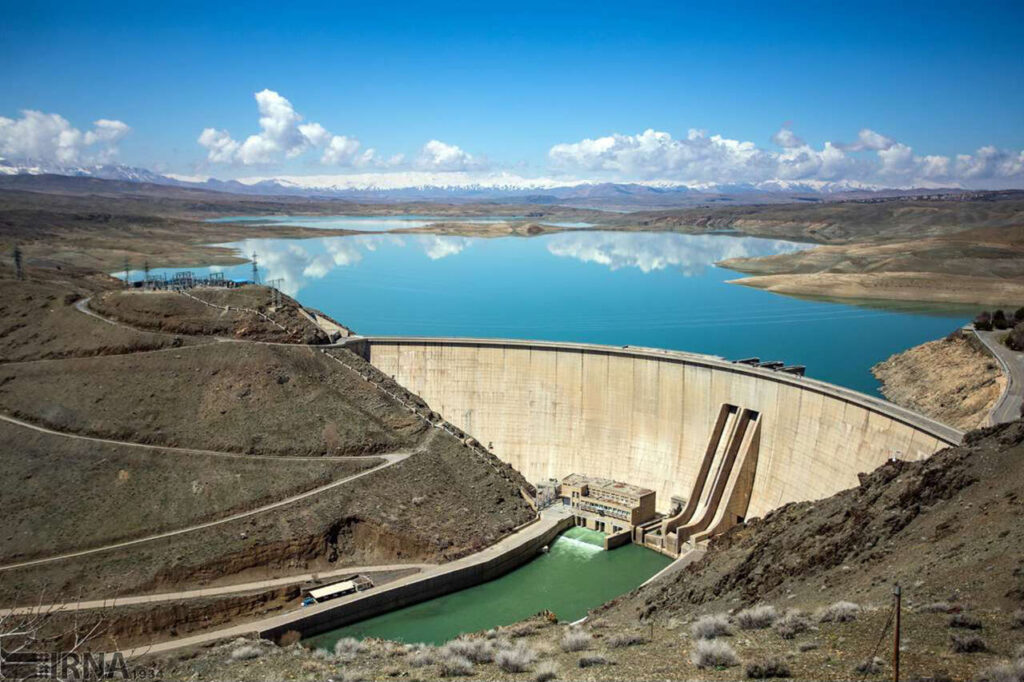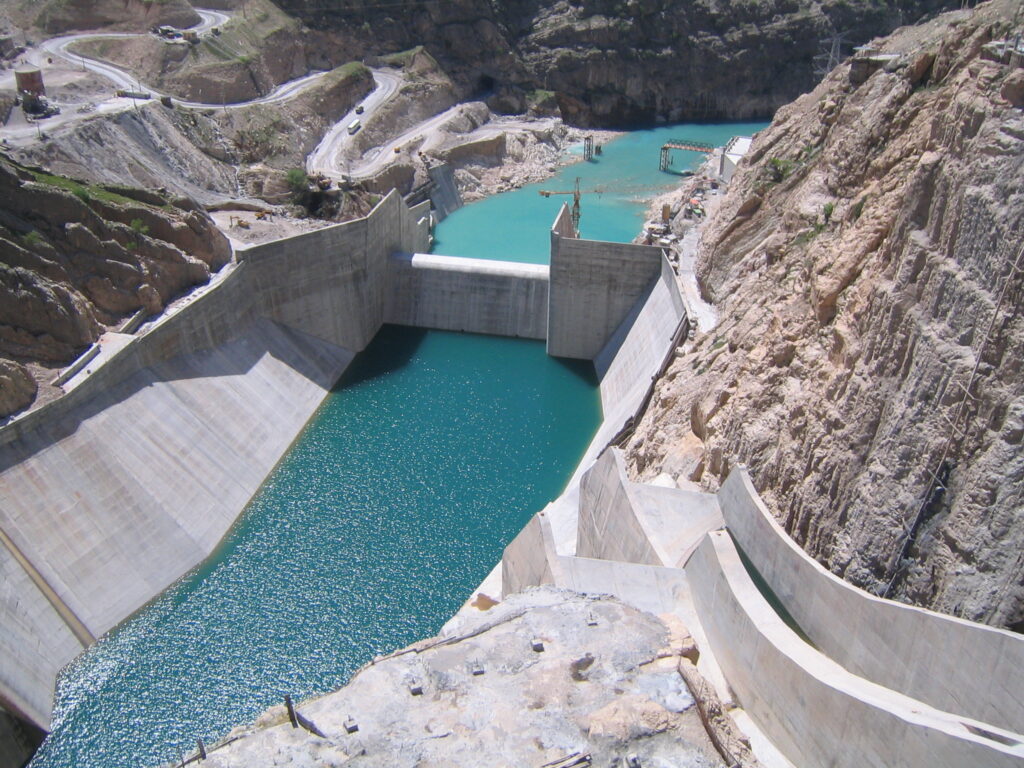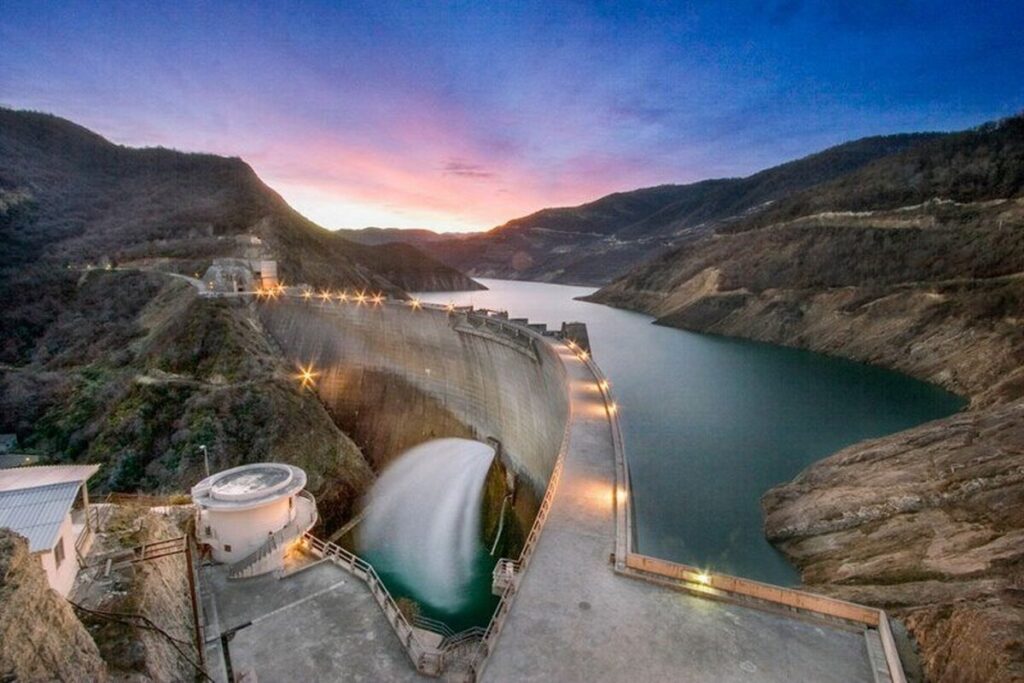
Uma Oya multipurpose Development project is proposed to transfer water from Uma Oya to Kirindi Oya in order to develop hydropower and to irrigate the dry and less developed south-eastern region of the central highlands. Capacity of the electrical power generation is 120 MW and irrigation of approx. 25,000 acres of paddy lands.
Uma Oya Multi-Purpose Project aims to generate hydropower and water for industrial activities.
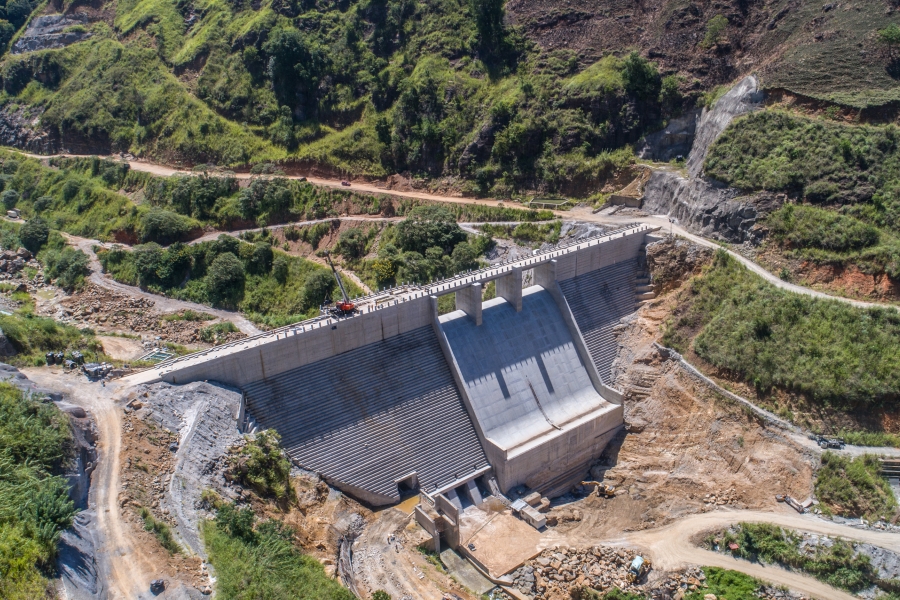
Dam type: RCC
Height of dams: 38 m and 42.5 m
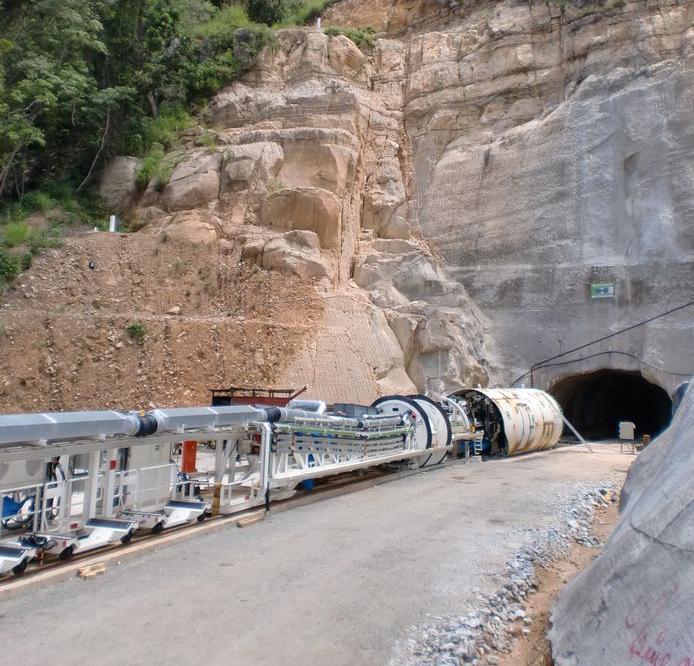
Reservoirs link tunnel length: 3750 m
Headrace (power) tunnel length: 15.54 Km
Vertical pressure shaft (with steel lining) height: 595 m
Power house dimensions: 70 m × 18 m × 36 m
Tailrace tunnel length: 3650 m
Capacity: 120 MW (2 Units of 60 MW), 145mcm/ year
Type of power house: Underground
Average annual power generation: 290 GWh
Turbine: Vertical Pelton, 600 rpm
Generator: Synchronous type, 10.5 KV
Ministry of Irrigation and Water Management
Bandarawela,
Sri Lanka
The Challenge
The Uma Oya Dam & Hydropower Project presented a series of complex technical, environmental, and logistical challenges. The project involved transferring substantial volumes of water from the Uma Oya catchment to the Kirindi Oya basin across a geologically diverse and seismically active highland region. This required careful consideration of slope stability, rock mechanics, and potential landslide hazards. Additionally, the project had to deliver a reliable hydropower output of 120 MW while minimizing disruption to local ecosystems and ensuring sustainable water supply for approximately 25,000 acres of paddy cultivation. Balancing industrial water requirements alongside agricultural irrigation further complicated design and operational planning, requiring an integrated, multi-disciplinary engineering approach. Hydrological variability, sediment management, and structural safety under extreme weather events were also critical challenges that needed to be addressed to ensure long-term operational reliability.
What did RMTEC do
RMTEC applied an integrated engineering and project management strategy to address these challenges. Detailed geotechnical investigations and rock mechanics assessments were conducted to evaluate site stability and inform the design of dam structures, tunnels, and diversion channels. Advanced hydrological modeling was used to optimize water transfer and storage, ensuring the system could handle seasonal flow variations and minimize downstream impacts. RMTEC designed the hydropower facilities to safely generate 120 MW, incorporating state-of-the-art turbine selection, structural reinforcements, and operational controls. Comprehensive irrigation schemes were implemented to maximize water efficiency for agricultural lands while maintaining sufficient flow for industrial and environmental needs. Throughout the project, RMTEC coordinated closely with local authorities, environmental agencies, and stakeholders to integrate sustainable practices, risk mitigation measures, and adaptive management strategies, ensuring compliance with both national and international engineering standards.
The Results
- 120 MW renewable energy generated
- 25,000 acres of land irrigated
- Sustainable water management achieved
- Regional development enhanced